Send your drawing. Get a quote in 1 business day.
Include your annual volume and tightest tolerance, and we can quote tooling and unit price right the first time.
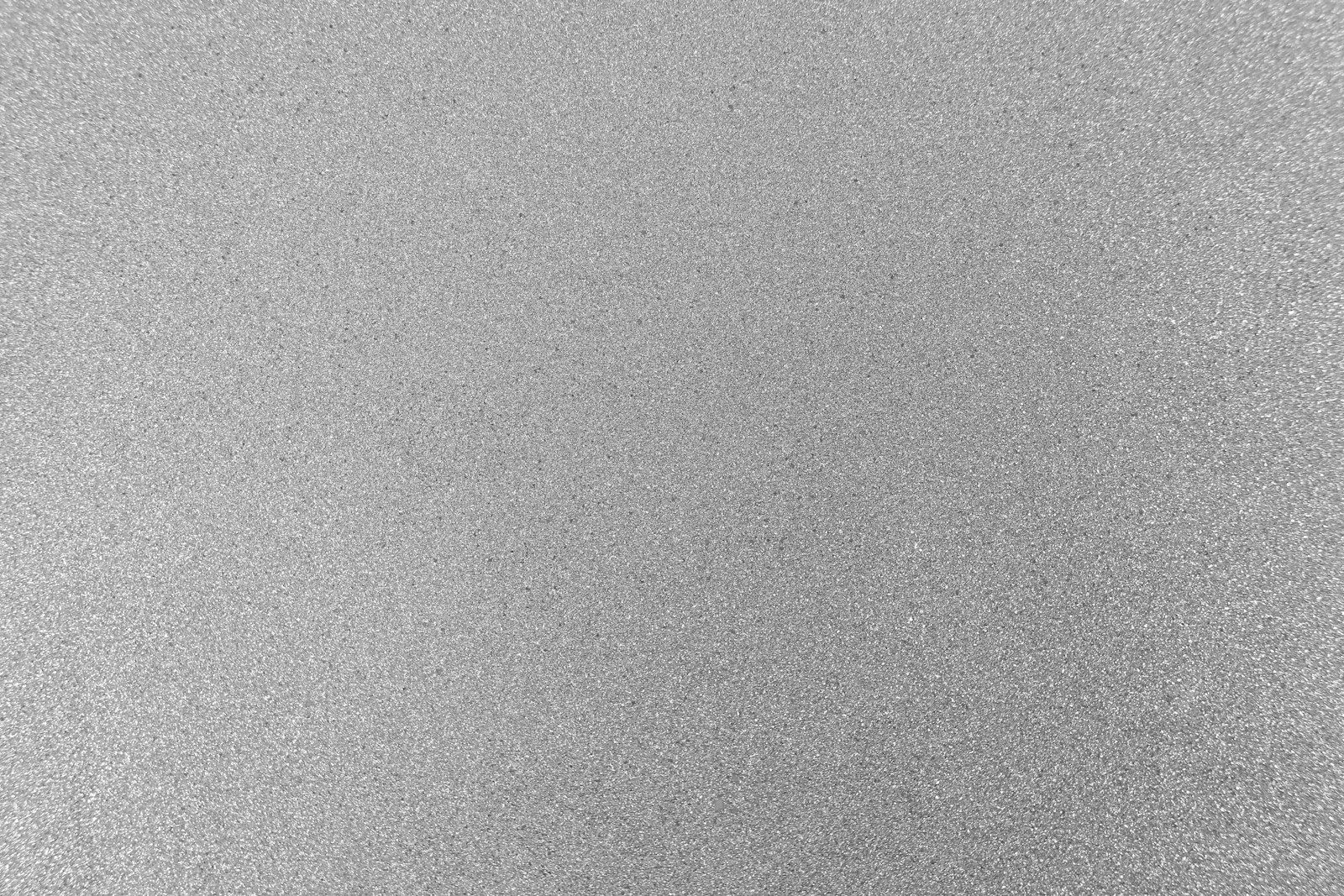
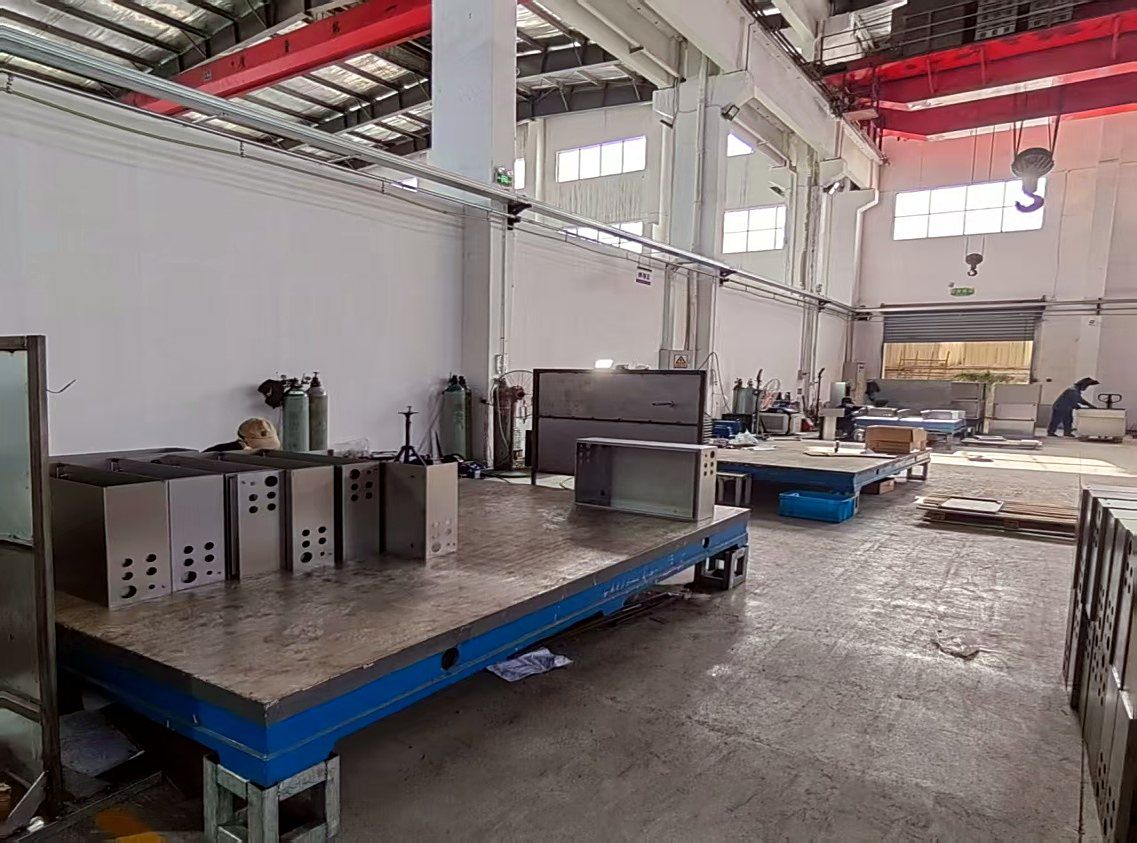
SGCC is hot-dip zinc-coated steel sheet and coil to JIS G 3302, equivalent to EN DX51D+Z and ASTM A653 CS. The zinc layer protects the steel without painting, so SGCC is widely used for cabinets, enclosure panels and internal brackets. We stamp SGCC from 1.2 mm coil and fabricate SGCC sheet into enclosures and cabinets.
| Standard | JIS G 3302 |
|---|---|
| Equivalents | EN DX51D+Z (EN 10346), ASTM A653 CS, GB DX51D+Z |
| In production at Sierxi | 1.2 mm coil for stamping; sheet for fabrication |
| Coating | State coating mass, e.g. Z12, Z18, Z27 |
SGCC is commercial-quality steel coil that has been passed through molten zinc. The zinc protects the steel as a barrier and also sacrificially: where the coating is scratched, the surrounding zinc corrodes first. That is why SGCC parts can be used bare indoors and are a common base for powder-coated outdoor cabinets.
SGCD and higher grades in the same standard offer better formability. For most brackets and cabinet panels, SGCC is sufficient.
The base grade says nothing about how much zinc is on the sheet. Always specify the coating designation.
| JIS designation | Minimum total coating, both sides (g/m², triple-spot average) | Approx. zinc per side | Approx. ASTM A653 equivalent |
|---|---|---|---|
| Z08 | 80 | about 6 μm | G30 (approx.) |
| Z12 | 120 | about 8 μm | G40 (approx.) |
| Z18 | 180 | about 13 μm | G60 |
| Z27 | 275 | about 19 μm | G90 |
| Option | Choices |
|---|---|
| Spangle | Regular spangle or minimized spangle (better for painting) |
| Chemical treatment | Chromate-free passivation, oiled, or untreated |
| Painting afterwards | Tell us, so the treatment does not interfere with paint adhesion |
| Property | Typical value |
|---|---|
| Base metal | Low-carbon commercial-quality steel |
| Density (steel) | about 7.85 g/cm³ |
| Magnetic | Yes |
| Zinc layer | As specified by coating designation |
| Material | Corrosion protection | Cost | Typical cabinet use |
|---|---|---|---|
| SPCC + powder coat | From the coating only | Low | Indoor painted cabinets |
| SGCC (bare or powder coated) | Zinc layer, plus coating if applied | Medium | Internal panels; outdoor cabinets when coated |
| SUS304 | Inherent | High | Wash-down, humid or exposed sites |
They are close equivalents. The coating designation must be specified separately in both standards, for example Z12 in JIS or Z275 in EN.
Not indoors in most cases. For outdoor or humid environments, powder coating over SGCC gives longer protection than either alone.
It can, but zinc vaporizes at the seam, causing spatter and porosity, and the coating is lost there. We recommend avoiding welds on SGCC, or planning touch-up after welding.
Laser cutting and punching expose bare steel at the edge. The surrounding zinc protects it sacrificially for a while, but in humid or outdoor conditions edges show rust first. Powder coating after fabrication covers them.
We currently run 1.2 mm SGCC coil; our stamping range is 0.15–1.2 mm. Thicker sheet is laser cut and bent.
Low-cost cold-rolled steel for brackets, chassis and painted enclosures.
Equivalent grades for SPCC, SGCC, SUS304, A5052 and C7701 across JIS, ASTM/UNS, EN and Chinese GB standards, for stamping and sheet metal.
Frames, doors, shelves and skins for battery cabinets.
Control boxes, cabinets and automation-equipment housings.
Include your annual volume and tightest tolerance, and we can quote tooling and unit price right the first time.