Send your drawing. Get a quote in 1 business day.
Include your annual volume and tightest tolerance, and we can quote tooling and unit price right the first time.
Custom deep-drawn metal cups, cans, shells and small housings — seamless, with no weld or folded joint — from steel, stainless steel, aluminum and copper-alloy strip. Critical features are held to ±0.02 mm and orders start at 1,000 pieces. Achievable draw depth and diameter are confirmed when we review your drawing.
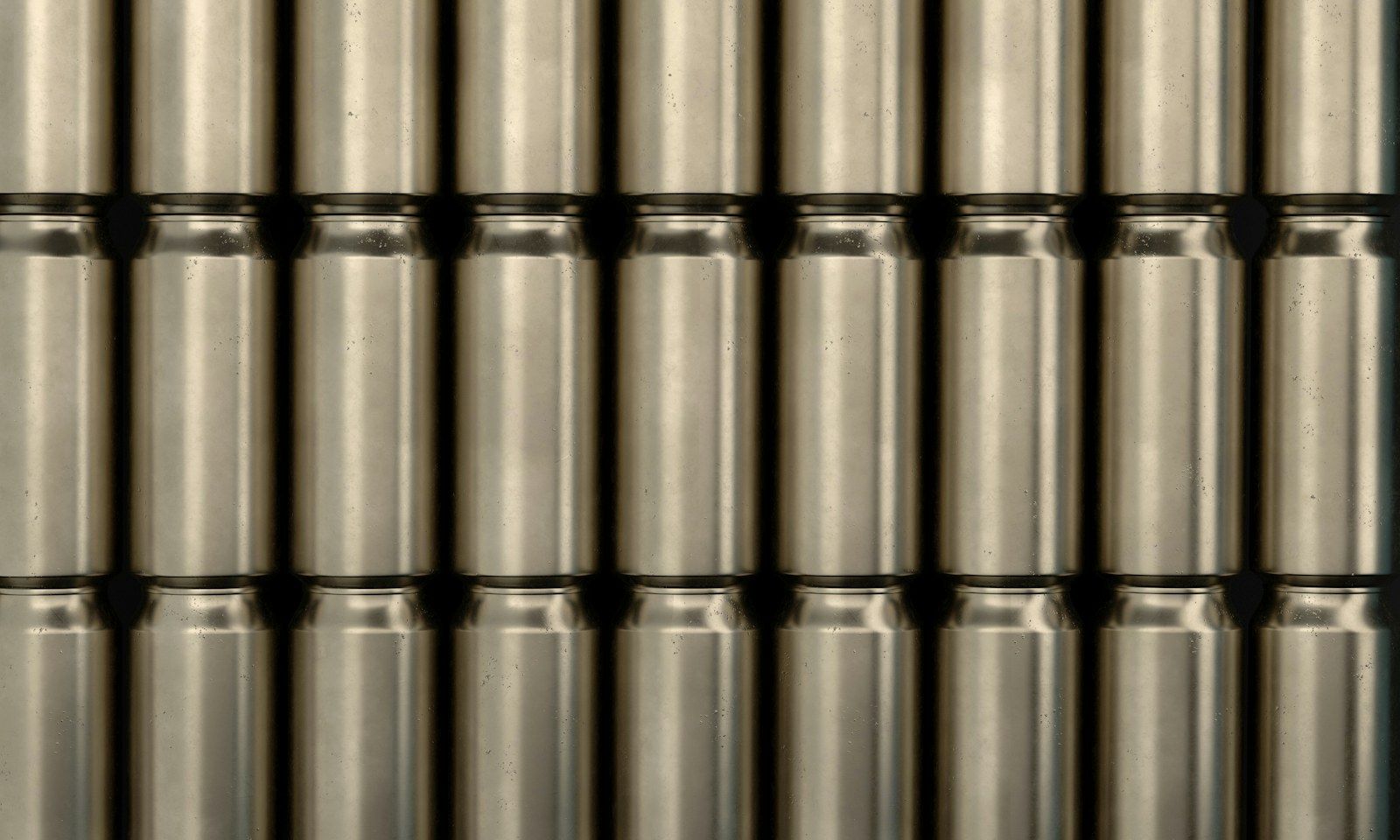
| Part types | Cups, cans, shells, caps, small housings and sleeves |
|---|---|
| Materials | SPCC / SPCD / SPCE, SUS304, A5052, copper alloys |
| Presses | 13 presses, 60–250 T |
| Tooling | Progressive (strip) or stage dies, built by partner toolroom |
| Tolerance | ±0.02 mm on critical features |
| Size limits | Confirmed per drawing |
| Minimum order | 1,000 pcs |
Deep drawing pulls a flat blank into a die with a punch to form a seamless hollow part — a cup, can or shell. Metal flows from the flange into the wall instead of being stretched, so the part has no seam or weld. A part is usually called deep drawn when its depth exceeds its diameter, but the same tooling principles apply to shallower shells.
Seamless drawn parts are used where a welded or folded box would leak, look poor or cost too much at volume: sensor and motor housings, battery and capacitor cans, shield cans, caps and sleeves.
Each drawing stage can only reduce the diameter so far before the wall tears. The limiting draw ratio (blank diameter ÷ punch diameter) for a first draw in good drawing steel is typically around 1.8–2.0. Later redraws reduce diameter less — often 20–30% per stage, and less again without intermediate annealing. These are rules of thumb; the real number depends on material, thickness, lubrication and die radii.
| Stage | Typical limit (rule of thumb) | Notes |
|---|---|---|
| First draw | Draw ratio about 1.8–2.0 (steel), lower for stainless and hard tempers | Sets the cup diameter |
| Redraws | About 20–30% diameter reduction per stage | Each stage work-hardens the metal |
| Ironing | Thins and evens the wall | For uniform wall thickness and tight diameter |
| Trim | Removes the uneven rim (earing) | Always needed on deep parts |
Where t is material thickness:
| Material | Drawability | Notes |
|---|---|---|
| SPCD / SPCE (EN DC03 / DC04) | Very good | Drawing-quality cold-rolled steel; first choice for deep steel parts |
| SPCC (EN DC01) | Fair | Shallow draws; may split on deep parts |
| SUS304 stainless | Good, with care | Work-hardens quickly; deep parts may need intermediate annealing between draws |
| A5052-O aluminum | Good | Use O temper for deep parts; harder tempers crack |
| Brass and copper alloys | Very good | Common for caps, sleeves and contacts |
| Progressive (strip) drawing | Transfer / stage drawing | |
|---|---|---|
| How it works | Part stays on the carrier strip through all draw stations | Blank is cut free and moved between stations or dies |
| Best for | Small parts, high volume | Larger or deeper parts |
| Material use | Carrier strip adds scrap | Less scrap per part |
| Tooling cost | One complex die | Several dies or a transfer system |
Rolled sheet has different properties in different directions, so the rim of a drawn cup forms waves called ears. Deep parts are therefore drawn with extra height and trimmed to final length. Material with low planar anisotropy reduces earing and trim scrap.
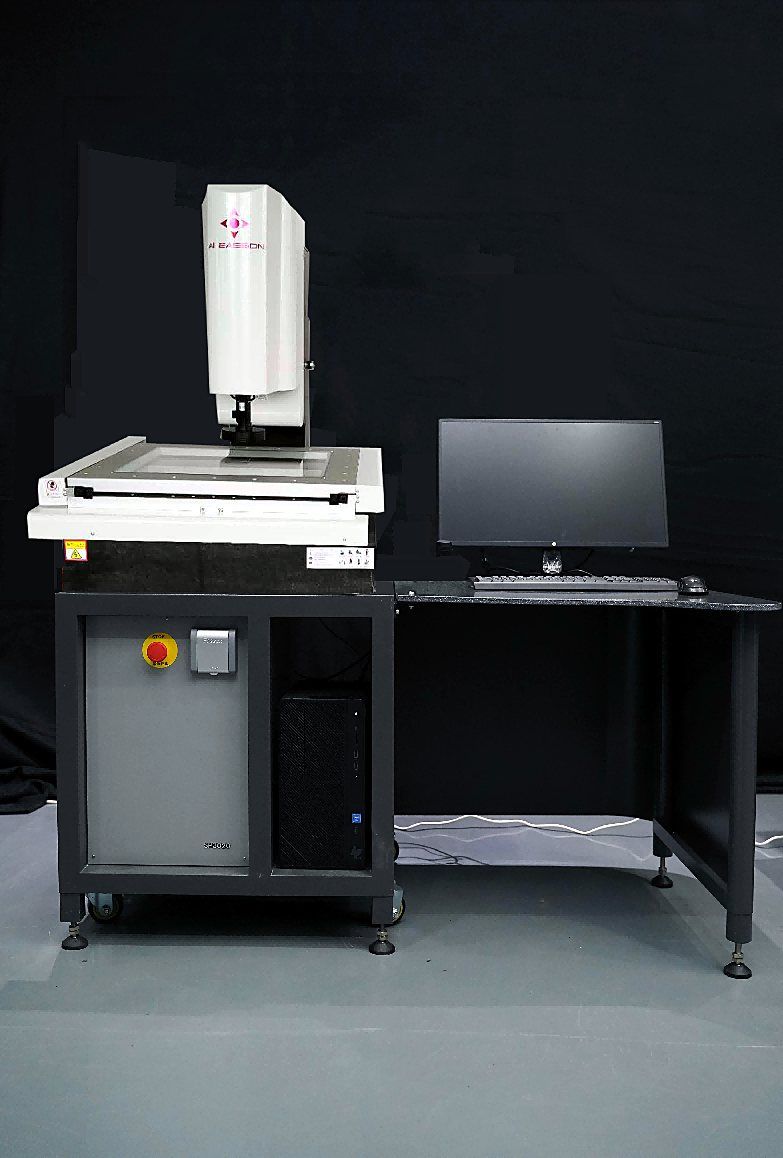
First articles are measured on our vision measuring system and with height gauges and micrometers, including diameter, height and wall thickness at agreed sections. Production lots are sampled to AQL, with a dimensional report available with each shipment.
It depends on diameter, material, thickness and the number of stages. Depth and diameter limits are confirmed per drawing during the quote review.
Yes. SUS304 draws well but work-hardens quickly, so deep parts may need more stages or intermediate annealing. We confirm the route per drawing.
1,000 pieces. Deep-drawing dies are a significant investment, so drawn parts usually make sense at higher annual volumes.
You do, once the tooling invoice is paid. Dies are built by our partner toolroom and kept at our factory for repeat orders.
Tooling cost, sample cost and lead time are confirmed per project in the quote.
Precision metal stamping from Suzhou: shielding cans, terminals, clips and brackets held to ±0.02 mm. MOQ 1,000 pcs, ISO 9001, quotes in 1 business day.
Multi-station dies fed from coil for high-volume small parts.
One-piece and two-piece board-level shields in nickel silver and steel.
How stamping tooling cost spreads over annual volume, when stamping beats laser cutting, and what to send for an accurate quote. Worked example inside.
Low-cost cold-rolled steel for brackets, chassis and painted enclosures.
Include your annual volume and tightest tolerance, and we can quote tooling and unit price right the first time.