Send your drawing. Get a quote in 1 business day.
Include your annual volume and tightest tolerance, and we can quote tooling and unit price right the first time.
Laser welding gives stainless and carbon steel parts narrow seams with low heat input, so thin enclosures, frames and brackets stay flat and need less grinding than with TIG welding. We laser weld sheet metal and stamped parts that we cut, bend or stamp ourselves, so fit-up is controlled before welding starts.
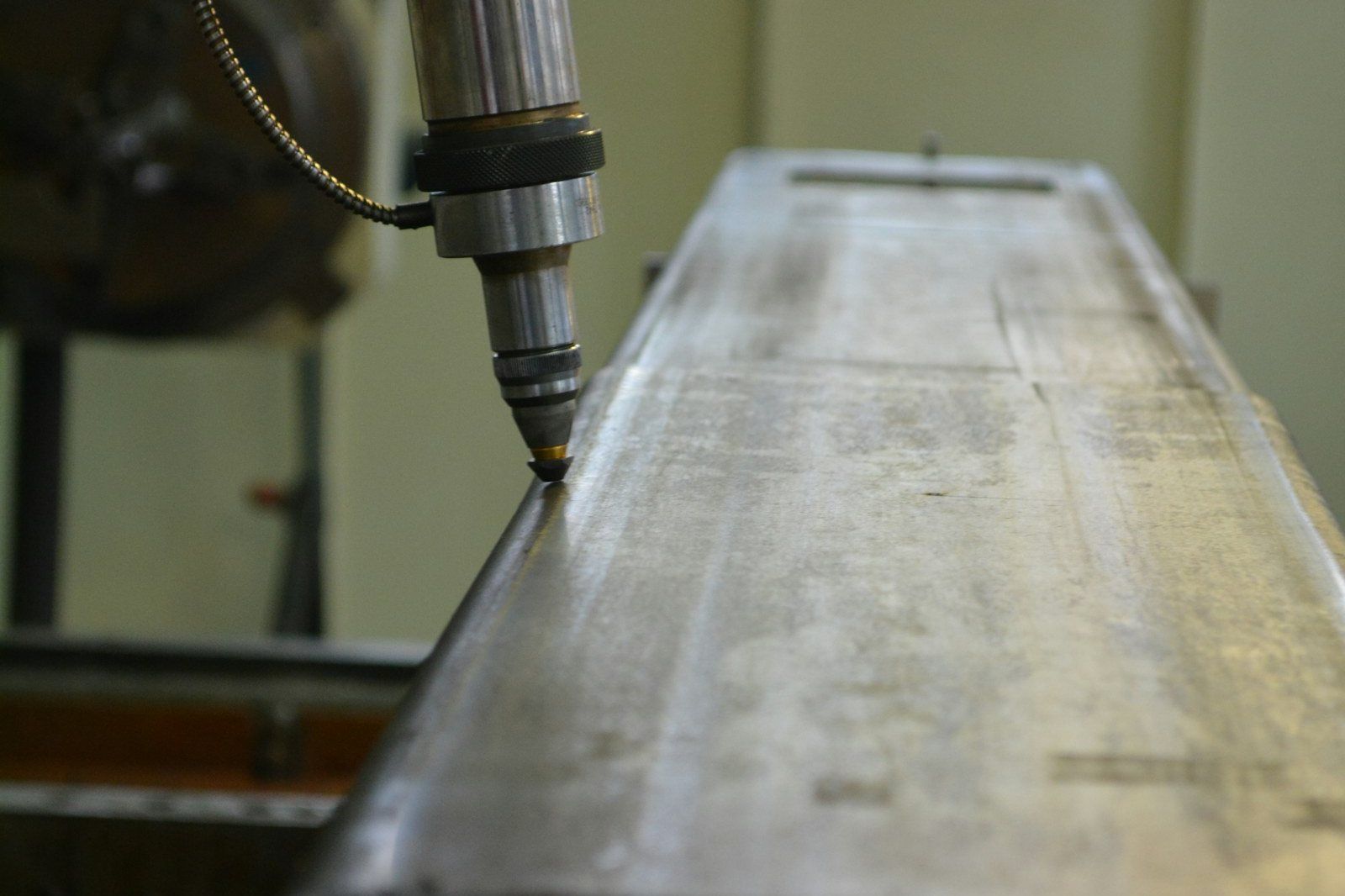
| Equipment | Suzhou Tianhong TH-RF300 and TH-RFS350 laser welders |
|---|---|
| Materials welded | Stainless steel (SUS304), carbon steel (SPCC) |
| Joint types | Butt, lap, corner, edge and stitch welds |
| Typical work | Enclosure corners, frames, brackets, stamped part to frame |
| Post-weld | Grinding in-house; brushing, passivation, coating via partners |
A focused laser beam melts the joint edges with a small, concentrated heat input. Compared with TIG or MIG welding the seam is narrower, the heat-affected zone is smaller and the part distorts less. That makes laser welding a good fit for thin sheet metal where flatness and appearance matter.
We use it on enclosure corners and seams, welded frames, brackets that join two formed parts, and stamped parts welded to a frame or bracket so they ship to you as one assembly.
| Laser welding | TIG welding | Resistance spot welding | |
|---|---|---|---|
| Heat input | Low, concentrated | Higher, wider | Local, at each spot |
| Distortion on thin sheet | Low | Higher; often needs straightening | Low |
| Seam appearance | Narrow, little grinding | Wider bead, more finishing | Spot marks on both faces |
| Sealed continuous seam | Yes | Yes | No |
| Joint fit-up | Must be tight | More tolerant of gaps | Lap joints only |
Laser welding rewards accurate parts. Because we laser cut and CNC bend the parts we weld, fit-up is controlled before the welder starts. These rules of thumb help:
| Material | Weldability | Notes |
|---|---|---|
| SUS304 stainless | Very good | Our most common job; heat tint removed by brushing or pickling |
| SPCC cold-rolled steel | Very good | Welded bare, then plated or powder coated by partners |
| SGCC galvanized steel | Possible with care | Zinc causes spatter and porosity; coating is lost at the seam |
| A5052 aluminum | Confirmed per project | Reflective and prone to porosity; ask before designing for it |
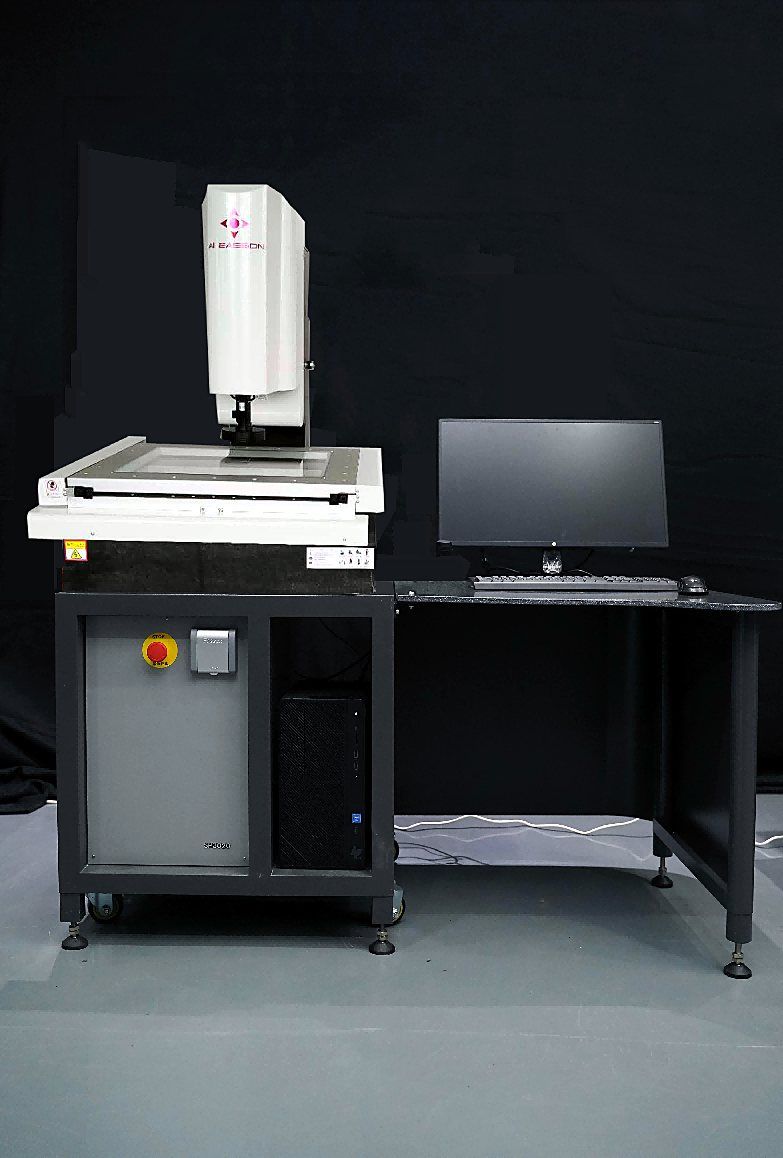
Each welded part is checked visually for undercut, porosity, cracks and burn-through, and welded assemblies are measured after welding because that is when distortion shows. First articles are measured on our vision measuring system or with height gauges and fixtures, depending on size.
If your drawing needs a formal quality level, ISO 13919-1 defines levels B, C and D for laser-beam welds in steel. Where penetration or strength tests are required, state the method in the RFQ and we confirm how it will be done in the quote.
We laser weld parts that we also cut, bend or stamp, because fit-up is controlled when we make the parts. Welding customer-supplied parts is reviewed case by case.
Yes. Welding a stamped bracket or contact to a frame is a common job and lets the assembly ship as one part number.
Our regular work is stainless and carbon steel. Aluminum is confirmed per project; we do not offer laser welding of copper.
A correctly designed laser weld with full penetration can be as strong as the base material, but strength depends on joint design and penetration. State strength requirements on the drawing.
Both are confirmed per project in the quote.
Custom sheet metal fabrication in Suzhou: enclosures and cabinets laser cut, bent and welded in-house. Sheet to 1500 × 3000 mm and 20 mm, bends to 3 m.
Laser cut, bent and laser welded stainless enclosures, panels and frames.
Control boxes, cabinets and automation-equipment housings.
Austenitic stainless for corrosion-resistant stamped parts and enclosures.
How we check your parts: ISO 9001, vision measuring, AQL sampling and 100% AOI on critical features, with dimensional reports and mill certs per shipment.
Include your annual volume and tightest tolerance, and we can quote tooling and unit price right the first time.