Send your drawing. Get a quote in 1 business day.
Include your annual volume and tightest tolerance, and we can quote tooling and unit price right the first time.
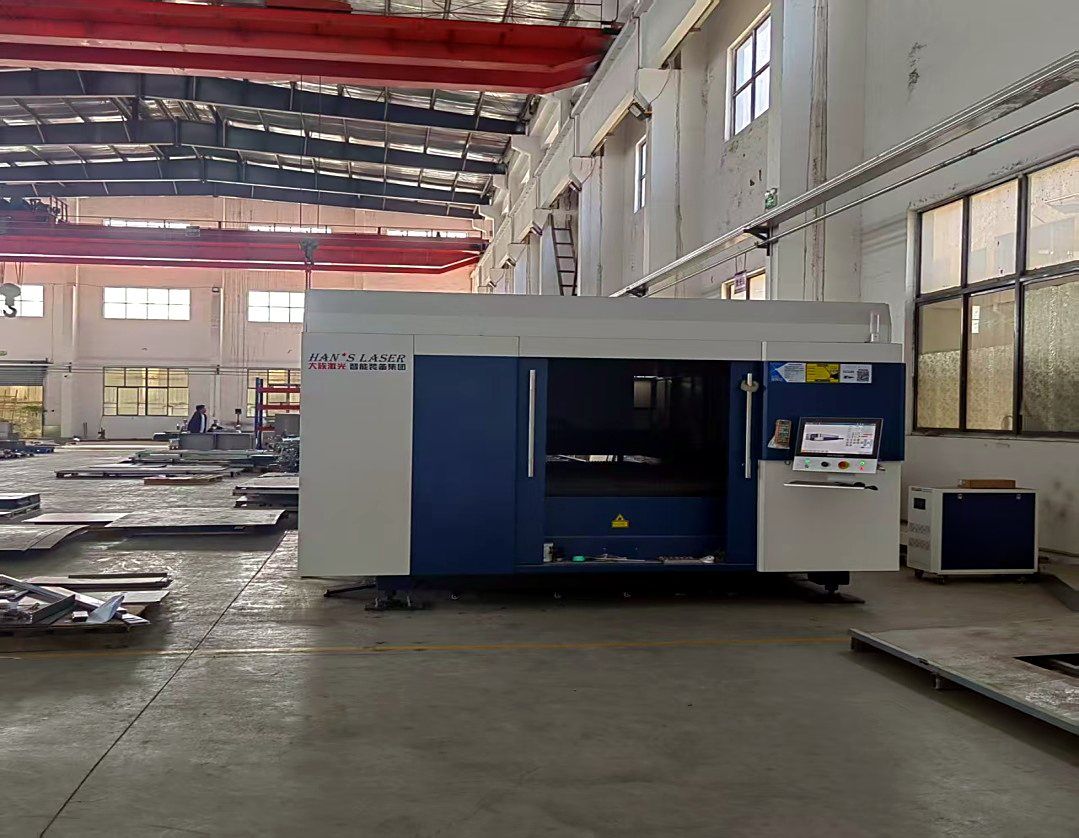
Sheet metal prototypes and low-volume batches need no tooling, so you can test fit, revise the design and build again without paying for die changes. We fiber laser cut sheet up to 1500 × 3000 mm, CNC bend up to 3 m and laser weld in-house. When a part reaches stamping volumes, we quote the break-even point for a die.
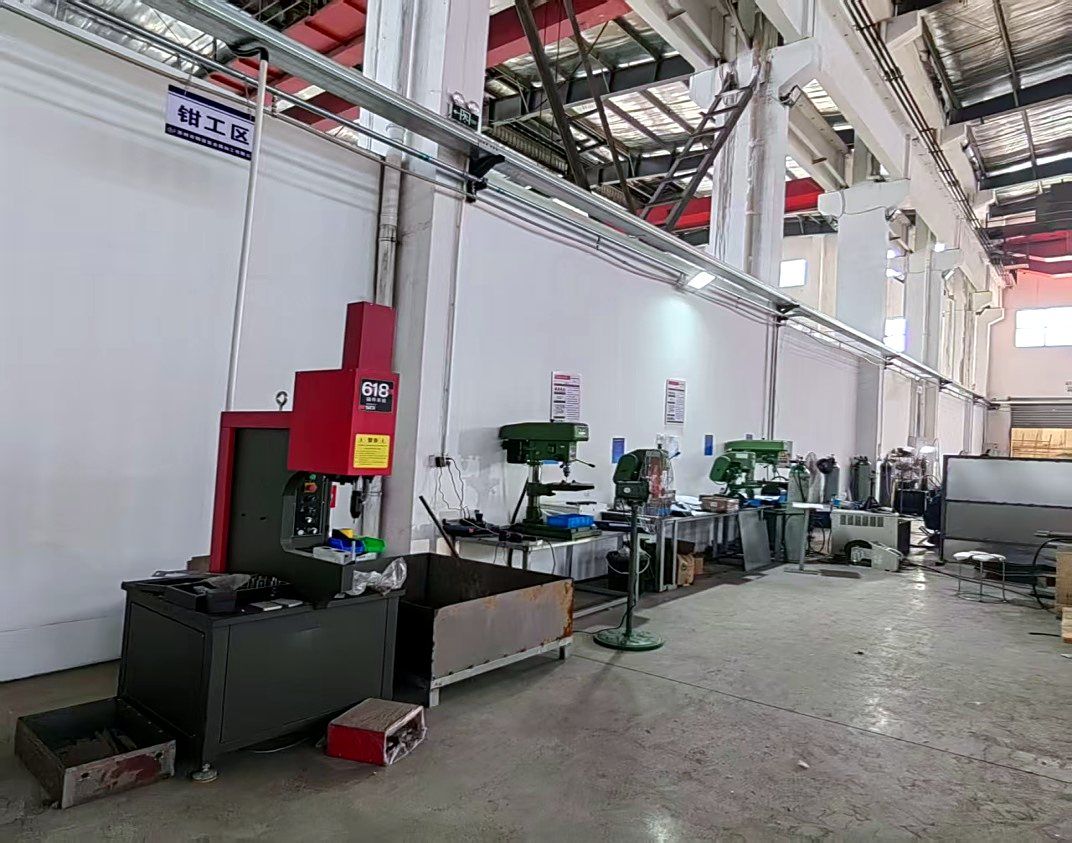
| Processes | Fiber laser cutting, CNC bending, laser welding |
|---|---|
| Tooling | None for laser cut and bent parts |
| Max sheet | 1500 × 3000 mm, up to 20 mm thick |
| Bend length | Up to 3 m |
| Quantities | Prototype and low-volume batches |
| Finishing | Powder coat, paint, plating, brushing via partners |
| Sample cost and lead time | Confirmed per project in the quote |
A progressive die is the cheapest way to make a part at volume, but it locks the design. Laser cutting and press-brake bending need only a CNC program, so you can test fit, assembly and function, change the design and build again without paying for die changes.
For many enclosures, cabinets and brackets, laser cut and bent parts are also the final production method: at a few hundred or a few thousand pieces a year, there is no reason to build a die at all.
| Stage | Purpose | Process | Inspection |
|---|---|---|---|
| Prototype | Check fit, form and function | Laser cut, CNC bent, laser welded | Key dimensions against the drawing |
| Bridge / pilot batch | Supply early builds while the design settles | Same, with fixtures where useful | First article report, then AQL sampling |
| Production | Stable design and volume | Sheet metal, or stamping if volume justifies a die | First article, AQL sampling and 100% checks on critical features |
Move when the tooling cost spread over the parts you will buy is less than what you save per piece. That point depends on part size, thickness and annual volume. Our stamping lines take strip from 0.15 to 1.2 mm with an order minimum of 1,000 pieces; thicker or larger parts usually stay as laser cut and bent sheet metal.
If you expect to stamp later, tell us at the prototype stage. We will keep features that a die can produce — consistent bend radii, holes not too close to bends, no features that only a laser can cut — so the move does not force a redesign.
Rules of thumb that keep prototype parts quick to make; t is sheet thickness.
Prototype parts are checked against your drawing for the dimensions you mark as critical, on the vision measuring system for small parts and with height gauges and fixtures for larger ones. Ask for a first article report and the prototype can serve as the reference for production.
Laser cut and bent parts need no tooling, so we quote prototype quantities. The 1,000-piece minimum applies to stamped parts.
It depends on part complexity, finishing and material availability. Lead time and sample cost are confirmed per project in the quote.
Yes, through our finishing partners. Small prototype batches can be coated, but color, texture and batch timing are confirmed in the quote.
If production stays in sheet metal, yes — the same programs and processes are used. If production moves to stamping, the die may change small features such as corner radii, and we tell you which ones before tooling.
Yes. Cabinets up to 3000 mm tall and 1500 mm wide can be built as single prototypes.
Custom sheet metal fabrication in Suzhou: enclosures and cabinets laser cut, bent and welded in-house. Sheet to 1500 × 3000 mm and 20 mm, bends to 3 m.
How stamping tooling cost spreads over annual volume, when stamping beats laser cutting, and what to send for an accurate quote. Worked example inside.
PCB, connector and mounting brackets stamped from steel, stainless and aluminum strip.
Control boxes, cabinets and automation-equipment housings.
JIS B 0408 general tolerance tables for blanked and bent or drawn metal parts, grades A, B and C, and how to call them out on your drawing.
Include your annual volume and tightest tolerance, and we can quote tooling and unit price right the first time.